TMJ & JAW JOINT
When the jaw joint is the problem.
TMJ symptoms can involve pain, clicking, locking, altered movement or difficulty opening the mouth. Assessment helps identify the likely source.
SYMPTOMS
What patients may notice
✓Pain around the jaw joint or face
✓Clicking or other joint sounds
✓Locking or catching
✓Reduced mouth opening
✓Change in jaw movement
ASSESSMENT
Diagnosis before treatment.
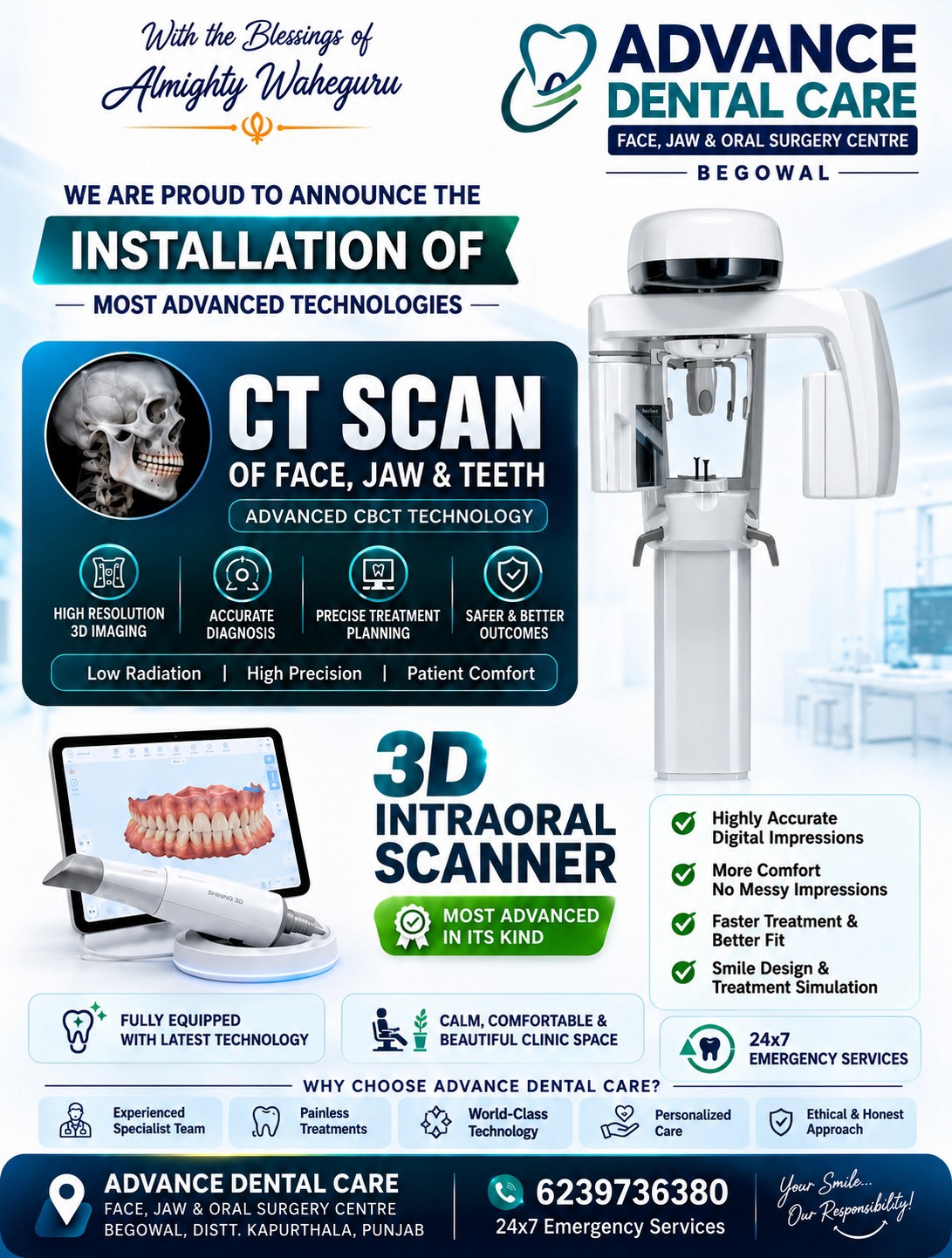
A TMJ assessment may include history, clinical examination and imaging selected according to the suspected problem. NewTom CBCT can provide 3D information about bony structures when indicated.
1
History
Understand pain, duration, movement, sounds and functional symptoms.
Understand pain, duration, movement, sounds and functional symptoms.
2
Clinical examination
Assess opening, excursions, joint tenderness and occlusal or muscular findings.
Assess opening, excursions, joint tenderness and occlusal or muscular findings.
3
Imaging when indicated
Use appropriate imaging to investigate the suspected joint or surrounding structures.
Use appropriate imaging to investigate the suspected joint or surrounding structures.
4
Plan
Discuss conservative, medical, procedural or surgical options as appropriate.
Discuss conservative, medical, procedural or surgical options as appropriate.
FAQ
TMJ questions
Does clicking always mean surgery is needed?
No. Joint sounds can occur for different reasons. The need for treatment depends on symptoms, examination and diagnosis.
Can CBCT diagnose every TMJ problem?
CBCT is particularly useful for bony structures. Other imaging modalities may be considered for soft-tissue or disc-related questions.